When people think of “maintenance,” the first thing that comes to mind is usually the oil change. And for good reason, fresh oil keeps your engine protected. But here’s the catch: your car runs on more than just oil.
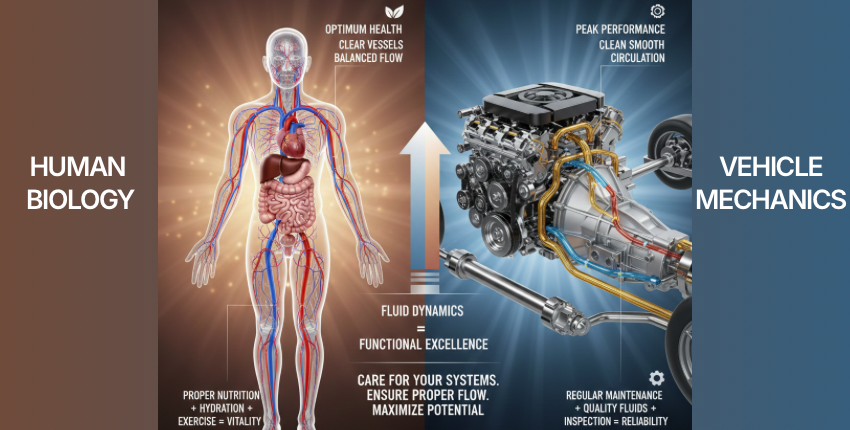
Think of it like your own body. Water keeps you going, but you also need electrolytes, vitamins, and minerals to function at your best. Your car is no different. It relies on a whole lineup of fluids, each with a specific job, and skipping them can mean breakdowns, safety issues, and expensive repairs.
At Bockman’s Auto, Truck & Tire, we often see cars that could have avoided major problems with simple fluid checks. Let’s walk through the other essential fluids your vehicle depends on, and why they matter.
1. Transmission Fluid
Transmission fluid is the unsung hero of smooth driving. It keeps gears lubricated, reduces wear, and helps regulate heat. When it’s low or dirty, you might notice hard or delayed shifting. Ignore it too long, and you’re looking at a transmission rebuild that can cost thousands.
How often to check: At least twice a year. Most cars can go 30,000–60,000 miles between fluid changes, but heavy towing, stop-and-go driving, or extreme weather can shorten that.
Shop story: We had a customer come in with jerky gear changes and a “check engine” light. They thought it was an electrical glitch. A simple fluid inspection revealed burnt, old transmission fluid. Catching it early saved them from a $4,000 repair bill.
2. Brake Fluid
Brakes are all about trust. When you hit the pedal, you expect your car to stop instantly. That’s brake fluid at work. Over time, brake fluid absorbs moisture, which lowers its boiling point. Under stress, like downhill braking or scorching summer days, that moisture can literally turn into steam, leaving you with a soft pedal and reduced stopping power.
How often to check: Once a year and replace every 2–3 years (more often if you drive in high humidity).
Pro tip: Brake fluid naturally darkens as it ages, but color alone isn’t the best way to judge its condition. The real concern is moisture. At Bockman’s, we use professional testers that measure water content and boiling point, so we know for sure when it’s time for a flush. That way, you’re not guessing and you’re not replacing fluid unnecessarily.
3. Coolant (Antifreeze)
Coolant does more than just stop your car from overheating. It prevents corrosion, protects the radiator, and helps the heater keep you warm in winter. Old coolant loses its effectiveness and can turn acidic, eating away at critical parts like the water pump.
How often to check: At every oil change. Replace every 3–5 years, depending on your car’s manufacturer recommendations.
Shop story: One customer skipped coolant flushes for years. Their radiator was so clogged with rust and deposits that it had to be replaced entirely. What could’ve been a $150 service turned into a $900 repair.
4. Power Steering Fluid
Smooth steering doesn’t just “happen.” Power steering fluid makes it effortless to turn the wheel. Low fluid or leaks can leave you wrestling the wheel like it’s 1975. Over time, contaminated fluid can damage the pump and steering rack.
How often to check: Every 30,000–60,000 miles, or when steering feels heavy or noisy.
Pro tip: If you ever hear a whining sound when you turn the wheel, don’t ignore it , it could be your power steering system crying out for help
5. Windshield Washer Fluid
It might seem like the lightweight of the group but try driving in an Illinois winter without it. Between salt spray, road grime, and bug splatter, washer fluid is the difference between clear vision and a dangerous blind spot.
How often to check: Anytime you fill up with gas. It’s cheap, easy, and critical for safety.
DIY vs. Professional Fluid Checks
Not every fluid requires a trip to the shop right away. Some you can safely monitor at home, while others need professional tools and know-how.
What You Can Do at Home:
- Windshield Washer Fluid: Easy to top off yourself, just make sure you’re using the right seasonal blend.
- Coolant (basic check): Most reservoirs are clear with a “min” and “max” line. If it’s low, you can add the correct coolant blend, but don’t ever open the radiator cap when the engine is hot.
- Oil: Of course, checking the dipstick between oil changes is always smart.
What’s Best Left to the Pros:
- Brake Fluid: Needs special testers to measure moisture content and boiling point. Looks can be deceiving.
- Transmission Fluid: Some cars require the vehicle to be running and at a precise temperature to get an accurate reading. Others don’t even have a dipstick anymore.
- Power Steering Fluid: Easy to check, but if you see low levels, it usually means a leak. That’s when a shop should step in.
The bottom line: you can keep an eye on the basics, but when it comes to safety-critical fluids, let us handle the testing and service. That way you know the job’s done right.
Wrapping It Up
Oil changes are essential, but they’re only one piece of the puzzle. Every fluid in your car plays a part in keeping it dependable, safe, and ready for the road ahead. Taking care of them now means avoiding surprise repairs, saving money, and most importantly, keeping you and your family safe.
At Bockman’s, we don’t just top off fluids during an oil change, we check them carefully, explain what we see, and recommend what’s truly needed. It’s one more way we help you drive with confidence.
Keep your car running its best by checking more than just the oil.
Book online → Schedule your service online
Or give us a call:
• DeKalb: 112 Industrial Dr. | 815-754-4200
• Sycamore: 2158 Oakland Dr. | 815-756-7413